
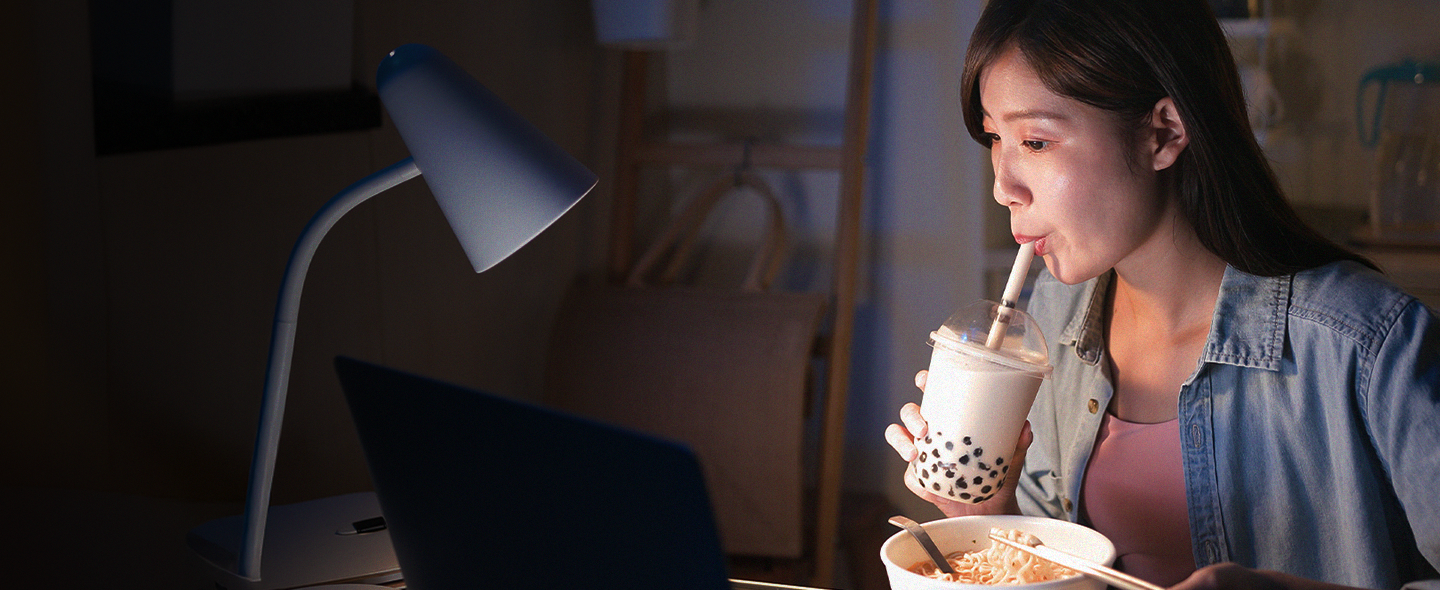
Bubble tea is practically a national obsession in Singapore. Whether you’re grabbing a cup after lunch or chilling with friends after a workout, it’s hard to resist those chewy pearls and sweet, creamy flavours. But if bubble tea has become your daily ritual, it might be time to take a closer look at what it’s doing to your body.
Let’s break it down, sip by sip.
Immediate Effects of Drinking Bubble Tea
That first slurp might feel like bliss, but here’s what’s going on behind the scenes:
- Sugar Surge: One cup can pack 20 to 30 grams of sugar or more. Your blood sugar spikes, giving you a quick energy boost followed by a crash that leaves you sluggish.
- Insulin Overdrive: Your pancreas scrambles to release insulin to manage the sugar. If your body doesn’t need that energy right away, it stores it as fat.
- Calorie Bomb: Depending on size and toppings, bubble tea can contain 300 to 600 calories. That’s a lot for a drink that doesn’t keep you full.
What Happens Over Weeks of Daily Bubble Tea
If bubble tea becomes your daily companion, here’s what you might notice:
- Weight Gain: Those extra calories add up, especially if you’re not burning them off. Fat tends to gather around the belly.
- Sugar Cravings: Your brain starts craving sugar like clockwork. Cutting back becomes harder.
- Dental Drama: Sticky pearls and sugar feed bacteria in your mouth, increasing the risk of cavities and gum disease.
Long-term Health Risks of Daily Bubble Tea
Long-term daily bubble tea consumption can lead to more serious health issues:
- Insulin Resistance: Your body becomes less responsive to insulin, raising your risk of type 2 diabetes.
- Fatty Liver: Excess fructose from syrups gets stored as fat in your liver, potentially leading to non-alcoholic fatty liver disease.
- Heart Risks: High sugar intake can raise bad cholesterol and triglycerides, increasing your chances of hypertension and stroke.
- Nutrient Deficiency: Bubble tea often replaces healthier snacks or drinks, leaving you short on vitamins, calcium, and fiber.
Hidden Health Risks in Bubble Tea
Even if you order “less sugar,” you might still be getting more than you bargained for. Here’s why:
- Hidden Sugars: Many “25% sugar” drinks still exceed daily recommended sugar limits.
- Toppings Trouble: Pearls, jellies, and puddings are calorie-dense and offer little nutrition.
- Liquid Calories: Drinks don’t fill you up like solid food, so you’re more likely to overconsume.
Smart Tips to Make Bubble Tea Healthier
You don’t have to quit bubble tea entirely. Try these healthier tweaks:
- Go Low or No Sugar: Ask for 0% or 25% sugar and skip the syrupy toppings.
- Switch Up the Milk: Choose fresh or plant-based milk instead of condensed or powdered creamers.
- Ditch the Pearls: Cutting out toppings can save hundreds of calories.
- Make It at Home: Use unsweetened tea, fresh fruit, and natural sweeteners for a DIY version.
Benefits of Reducing Bubble Tea Intake
If you decide to scale back your bubble tea habit, here’s what you might gain:
- Better Metabolic Health: Lower sugar intake helps your body regulate insulin more effectively.
- Weight Loss: Dropping 300 to 600 calories a day adds up to real results.
- Steady Energy: No more sugar crashes mean more consistent energy throughout the day.
- Healthier Teeth: Less sugar means fewer cavities and better gum health.
Final Sip of Wisdom
Bubble tea is a delicious treat, but it’s best enjoyed in moderation. Making small changes to your order or cutting back on frequency can go a long way in protecting your health. Your body deserves better than a sugar crash. Let’s make wellness your new daily habit.
If you’re ready to take charge of your health, join Prudential’s Every Body Club for wellness tips, tools, and community support to help you live well and feel great.
This article was written in collaboration with Karthik Pillay, Neural Nutritionist and Founder of Neural Performance Institute.
Disclaimer:
This article is for your information only and does not consider your specific investment objectives, financial situation or needs. We recommend that you seek advice from a Prudential Financial Representative before making a commitment to purchase a policy. T&Cs apply. Protected up to specified limits by SDIC. Information is correct as at 11 May 2026.